


Is Walking Good for Sciatica?
Introduction
Sciatica affects millions of people worldwide, often causing sharp, shooting pain that radiates from the lower back down to the legs. For many, this pain becomes so severe that sciatica pain is so bad they can’t walk or stand, raising an urgent question: Is walking good for sciatica?
If you’ve found this page through terms like struggling to walk with sciatica, does walking help sciatica, or why is my sciatica worse when I walk, you’re in the right place. This guide shares everything you need to know about walking with sciatica, blending expert medical advice, patient-friendly tips, the latest scientific research, and answers to real patient FAQs.
What Is Sciatica?
Sciatica refers to pain that occurs along the path of the sciatic nerve—the longest nerve in the body. This nerve runs from the lower back, through the buttocks, down one or both legs. Sciatica is not a disease, but a symptom linked to conditions like:
Sciatica can range from mild discomfort to severe, debilitating pain. Some patients describe sciatic nerve pain so bad I can’t walk, while others notice pain mainly while walking with sciatica or standing.
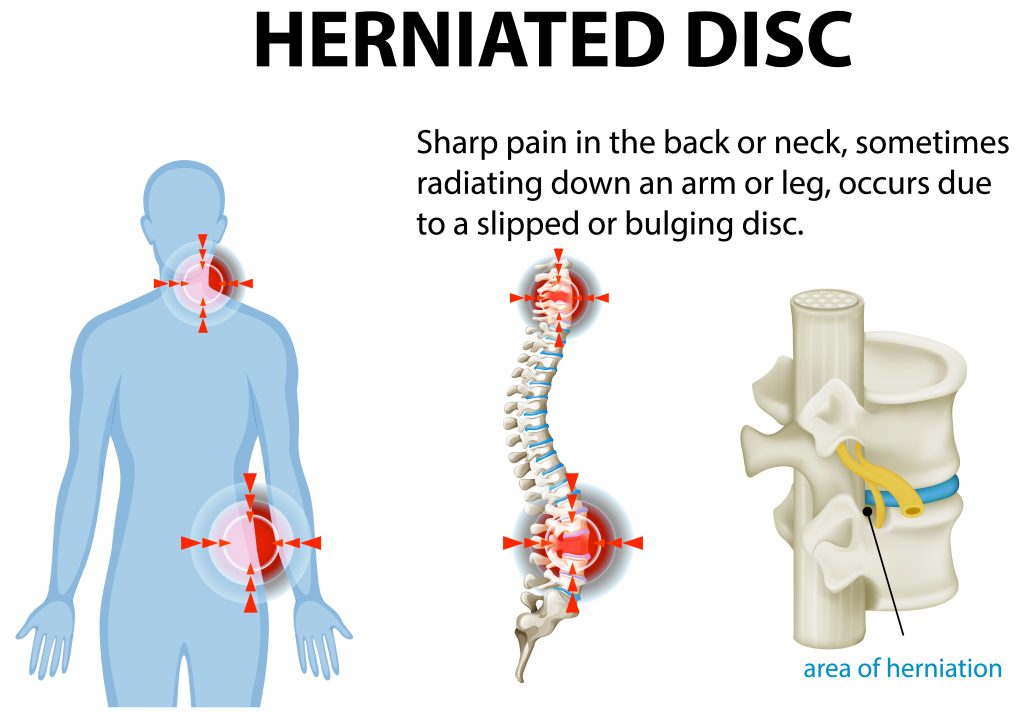
Understanding Sciatica Severity: When Pain Becomes Debilitating
Severe sciatica can’t walk scenarios are a warning sign. About 5–10% of patients with sciatica experience incapacitating symptoms:
Excruciating, radiating pain
Severe muscle weakness
Tingling or numbness in the legs or feet
Difficulty maintaining balance
Sudden inability to walk or stand
If sciatica pain so bad can’t walk or stand lasts more than a few minutes, call your doctor immediately or visit King’s Spine Centre for urgent care. Sudden, severe symptoms can signal nerve root compression or conditions requiring emergency care, like cauda equina syndrome.
Is Walking Good for Sciatica?
The Short Answer
Yes—walking is generally good for sciatica when done correctly. Movement helps loosen tight muscles, improve blood flow, and reduce inflammation around the sciatic nerve. But if your pain is severe, consult a specialist before starting any walking program.
Scientific Benefits of Walking:
Encourages gentle spinal decompression
Promotes circulation to inflamed nerve roots
Helps with endorphin release (natural painkillers)
Strengthens back and leg muscles
Improves flexibility and posture
Many patients at King’s Spine Centre report that walking for sciatica became a cornerstone of their recovery after expert guidance.

How to Walk With Sciatica Safely
If you’re struggling to walk with sciatica, these strategies will help you walk without worsening the pain:
1. Choose the Right Surface
Walk on flat, soft terrain like grass, rubber tracks, or a treadmill with zero incline. Es bueno caminar para la ciática en superficies ideales, avoiding concrete sidewalks that increase shock.
2. Wear Supportive Shoes
Arch support and cushioning prevent jarring the spine. Avoid walking barefoot or with unsupportive footwear.
3. Warm Up and Stretch Properly
Gently stretch the hamstrings, glutes, and lower back before walking.
4. Use Walking Aids if Needed
A cane or walking pole helps if you’re experiencing severe weakness or instability—especially during acute pain spikes.
5. Maintain Good Posture
Keep your chest up and shoulders back. Short, frequent walks (5–15 minutes) are safer than long treks.
6. Gradually Increase Distance
Build endurance slowly—overdoing it can worsen symptoms. Walking makes sciatica worse when done aggressively.
Read: Sciatica vs SI joint pain – How to Tell the Difference and Find Relief
When Walking Might Make Sciatica Worse
Warning Signs
Walking can aggravate sciatica if:
Your posture or walking technique is poor
You’re in a peak inflammatory phase
You walk too far without resting
There’s a disc herniation or nerve impingement that needs treatment
If walking increases pain, pause your routine immediately and try other options like stretching, swimming, or gentle cycling.
Does walking aggravate sciatica? Sometimes, especially if your body signals distress.
Advanced Walking Strategies for Different Sciatica Types
For Herniated Disc:
Maintain a neutral spine
Avoid bending forward
Use short strides
For Spinal Stenosis:
Slightly lean forward to open spinal channels
Upright walking uphill (only after pain improves)
For Piriformis Syndrome:
Hip stretches before walking
Avoid sitting long periods before walking sessions
Treadmill vs. Outdoor Walking:
Is walking on a treadmill good for sciatica? Treadmills offer shock absorption and stability—superior during acute pain.
Is hiking good for sciatica? Avoid hiking or uneven trails until symptoms improve.
Walking Technique FAQs
Yes—daily walking, combined with stretching and core strengthening, plays a huge role in managing and recovering naturally. Progress takes time; be patient and consistent.
Absolutely. Overdoing it can cause muscle fatigue and irritate the nerve. Walk, but don’t push through pain.
Only after initial recovery begins. Uphill walking puts extra load on the lower back. Stick to flat terrain initially, then progress gently.
Yes. When compressed or inflamed, the nerve causes weakness, sharp pain, numbness, or loss of coordination. “Sciatica pain so bad can’t walk” is a red flag. Seek medical help if this develops.
Relaxed pace
Shoulders back, head up
Short, frequent walks (not long treks)
Land gently on your heels, avoid slapping feet
Advanced Pain Management During Walking
If walking increases pain:
Reduce speed and stride length
Use a cane on the opposite side of the painful leg
Walk in a pool (aqua walking) for extra cushioning
Change direction or type of surface
How to walk with a cane for sciatica pain:
Adjust cane height for slight elbow bend
Place cane and affected leg forward together
Use cane gently—not a crutch
Surface Analysis: Where Should I Walk?
Best Surfaces
Rubberized tracks
Grass fields
Beach sand (firm, not loose)
Treadmills with suspension
Surfaces to Avoid
Concrete sidewalks
Uneven hiking
Steep inclines/declines
Alternatives to Walking for Sciatica Relief
If walking is too painful, don’t force it. Try other low-impact options:
- Swimming: Reduces pressure on joints while strengthening muscles
- Stationary cycling: Supports controlled movement without compressing the spine
- Stretching exercises: Improve flexibility and reduce nerve tension
- Tai chi or gentle yoga: Encourage alignment and balance
As you improve, you can reintroduce walking. But in the meantime, any movement is better than none.

Long-term Walking Programs for Sciatica Prevention
Phase 1 (Weeks 1–2):
5–10 minutes, 2–3 times per day, very gentle
Phase 2 (Weeks 3–4):
10–15 minutes, increase pace gradually
Phase 3 (Weeks 5–8):
15–25 minutes, build tolerance
Wear arch-support shoes, track your steps, monitor pain regularly. Use fitness apps for gait analysis and goal-setting.
Sciatica and Walking: Do's and Don'ts
Do:
Walk consistently—short, gentle sessions daily
Stretch before and after walks
Use heat or cold packs as needed
Don’t:
Ignore increasing pain signals
Walk long distances on hard or uneven surfaces
Rely on walking alone—combine with strengthening, stretching, and expert care
Real Talk: When Sciatica Stops You From Walking
Sometimes, sciatica pain stops you from walking or even standing. This means conservative measures (walking, stretching, medications) might not be enough.
Urgent imaging and specialist review are needed
Don’t attempt walking through severe pain—this can worsen nerve injury
King’s Spine Centre offers rapid access to diagnostic and interventional care
Contact us immediately if:
Sudden, severe pain makes walking impossible
You lose bladder/bowel control (cauda equina warning)
Severe weakness or foot drop develops
Expert Care for Sciatica in Dubai – King’s Spine Centre
King’s Spine Centre is a trusted destination for sciatica diagnosis and treatment in Dubai. Our team of spine surgeons, neurologists, and physiotherapists use a holistic approach to treat conditions like:
Herniated discs
Sciatic nerve compression
Spinal stenosis
Chronic back pain
We combine evidence-based medical care with state-of-the-art technology to ensure accurate diagnoses and personalized treatment plans.
If you’re wondering is walking good for sciatica, or you’ve reached the point where pain is affecting your daily life, our team offers expert tips and guided walking strategies to support your recovery and reduce nerve pressure.
Key Takeaways
Is walking good for sciatica? Yes—in most cases, it’s safe and effective if you use proper technique and pacing.
Start gradually, listen to your body, use aids if necessary, and seek professional advice for severe pain.
For all Dubai patients and those beyond, King’s Spine Centre offers world-class sciatica care.
For appointments, clinical evaluation, or detailed advice, contact King’s Spine Centre, Dubai. Your journey from pain to recovery starts here.
Note: This article has been medically reviewed. The information provided is educational and not a substitute for professional medical advice. For diagnosis, treatment, or urgent help, please contact King’s Spine Centre in Dubai or consult your physician.
Comprehensive FAQ: Most Googled Sciatica Questions
For most people, yes. Endorphins and improved circulation speed recovery—but results are gradual.
Regular, gentle walks improve blood flow and mobility. Listen to your pain signals.
As long as pain is manageable (not severe or worsening). Consult a physiotherapist for personalized guidance.
Only if done with poor posture, on hard surfaces, or beyond personal tolerance.
Rarely. Long-term damage is unlikely unless walking through severe pain or with poor body mechanics.
Yes—studies show 65–75% of patients report less pain when using structured walking programs.
For those with weakness or instability, it can help temporarily.
Get urgent medical evaluation—this is a sign you need imaging, medications, or specialist intervention.
Medical Disclaimer
This content is for informational purposes only and is not a substitute for professional medical advice, diagnosis, or treatment. Always consult your physician or a qualified healthcare provider regarding any medical questions, symptoms, or conditions.
Medically Reviewed
Reviewed by the spine care team at King’s Spine Centre, Dubai — a multidisciplinary team of spine specialists, neurosurgeons, pain management physicians and physiotherapists following evidence-based, JCI-accredited care standards.
