


What Are the Final Stages of Spinal Stenosis?
Spinal stenosis develops when the openings in the spinal canal become constricted, often putting pressure on nearby nerves. Even when symptoms are mild or respond to conservative treatment, it is important to understand the potential progression and what the final stages of spinal stenosis look like.
At King’s Spine Centre, we believe in empowering our patients with knowledge about their spinal health. In this article, we’ll explain the stages of spinal stenosis, the final stages of severe spinal stenosis cases, and what symptoms you should never ignore.
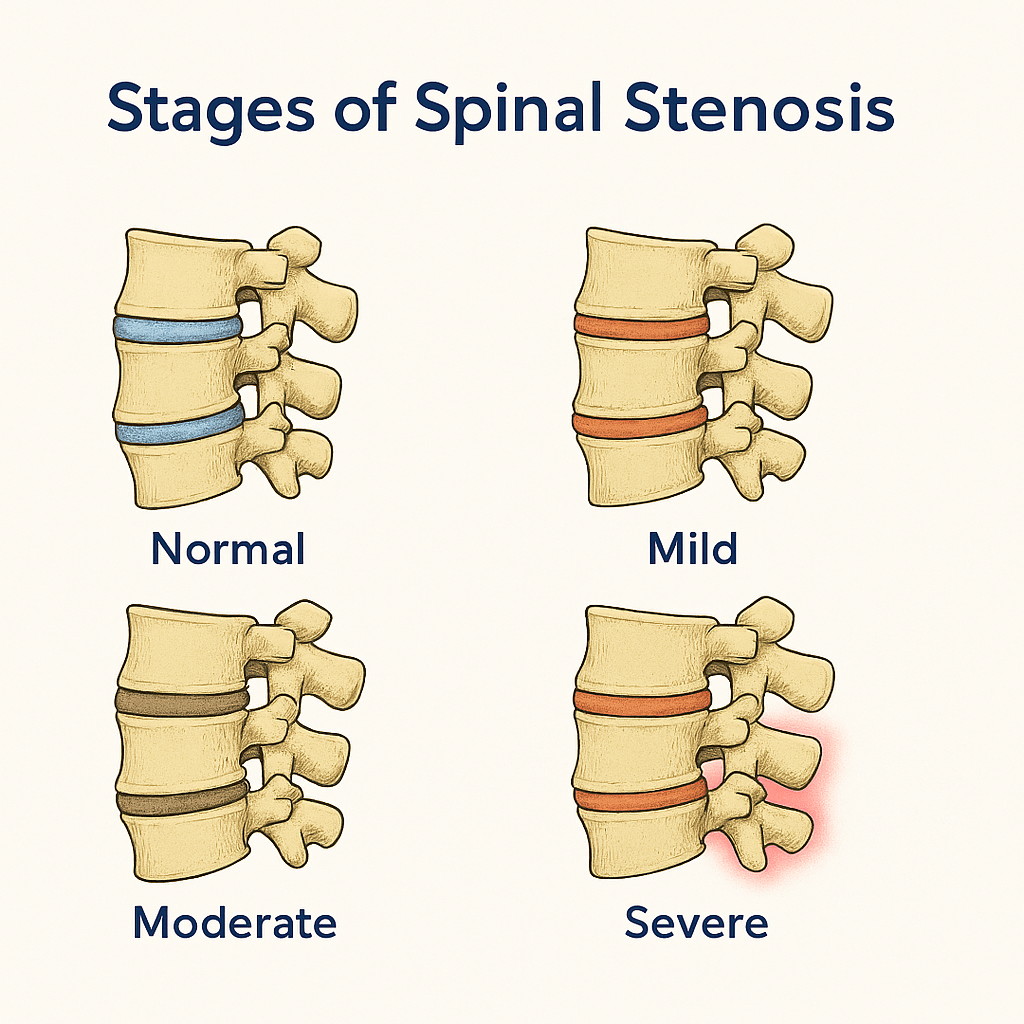
Understanding the Stages of Spinal Stenosis
Spinal stenosis usually progresses gradually:
Mild Spinal Stenosis – Intermittent pain or stiffness, often triggered by activity.
Moderate Spinal Stenosis – More frequent symptoms such as numbness or tingling, impacting daily life.
Severe Spinal Stenosis – Persistent symptoms, neurological deficits, and reduced mobility.
Final Stages of Spinal Stenosis – Debilitating symptoms, significant nerve compression, and potential loss of bladder/bowel control.
While there isn’t a universally defined “staging system,” doctors often describe the condition in these stages to explain progression.
What Are the Final Stages of Spinal Stenosis?
The final stages of spinal stenosis are generally characterized by severe and debilitating symptoms that greatly affect quality of life. In these stages, the spinal canal has narrowed enough to cause substantial nerve compression.
Key symptoms include:
Intense, chronic pain – constant and often radiating into the arms (cervical stenosis) or legs (lumbar stenosis).
Severe numbness and tingling – affecting large areas of the arms, hands, legs, or feet.
Muscle weakness – making daily activities like walking, lifting, or gripping difficult.
Problems with coordination and balance – significantly increasing the risk of falls.
Bowel or bladder dysfunction – a serious sign requiring urgent medical attention.
Limited mobility – walking or standing becomes extremely difficult, sometimes requiring mobility aids.
What are the final stages of spinal stenosis in the neck?
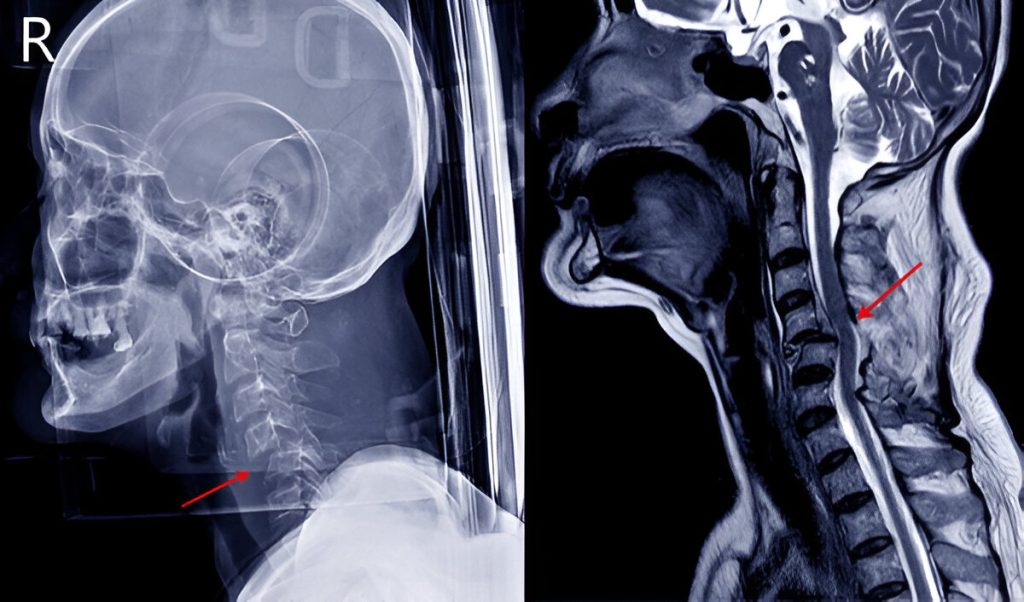
In the final stages of spinal stenosis in the neck, symptoms can become severe and disabling due to compression of the spinal cord in the neck. Common signs include:
Severe neck pain – often radiating into the shoulders and arms.
Significant weakness in the arms and hands – making simple tasks like gripping objects, writing, or buttoning clothes very difficult.
Persistent numbness and tingling in the arms and fingers – often constant and bothersome.
Gait disturbances and balance issues – difficulty walking or maintaining stability because of spinal cord compression.
Bowel or bladder dysfunction – less common than in lumbar stenosis but can occur in advanced stages.
Myelopathy (spinal cord dysfunction) – leading to clumsiness, reduced fine motor skills, and in some cases, spasticity or stiffness in the legs.
These symptoms signal that cervical spinal stenosis has reached its later or final stage, requiring urgent medical attention.
What are the final stages of lumbar spinal stenosis?
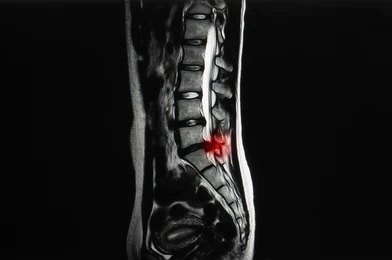
The lower back is a common site for spinal stenosis. The final stages of lumbar spinal stenosis typically involve:
Severe lower back pain: Often radiating down the buttocks and legs (sciatica).
Significant leg weakness: Making walking and standing challenging. Patients may experience neurogenic claudication, where pain and weakness worsen with walking and are relieved by sitting or bending forward.
Persistent numbness and tingling in the legs and feet.
In the most severe cases, cauda equina syndrome: This is a medical emergency characterised by severe lower back pain, weakness or paralysis in both legs, saddle anaesthesia (numbness in the groin and inner thighs), and bowel or bladder dysfunction.
What is considered severe spinal stenosis?
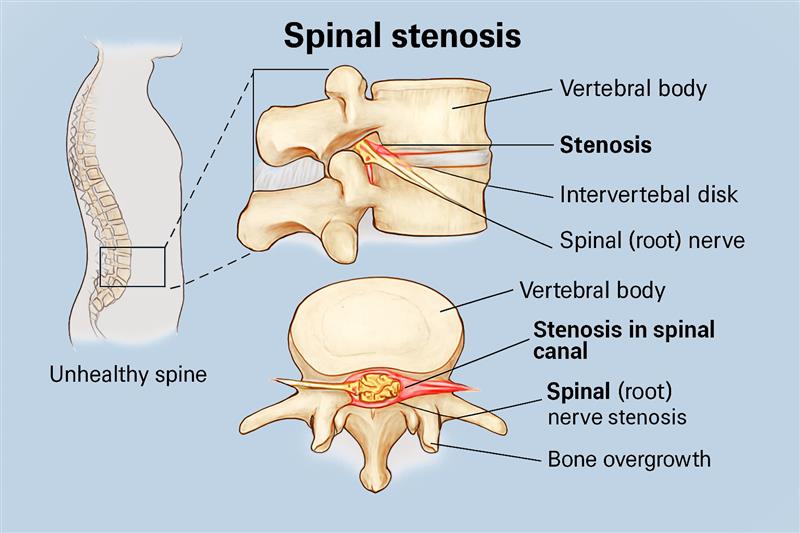
Severe spinal stenosis occurs when the narrowing of the spinal canal is significant enough to cause substantial nerve compression.
This leads to the severe and progressive symptoms described above, including significant neurological deficits like pronounced weakness, persistent numbness, and potential bowel or bladder issues.
MRI and CT scans are essential diagnostic tools for assessing the extent of spinal canal narrowing and nerve compression in severe spinal stenosis.
Will I end up in a wheelchair with spinal stenosis?
Not everyone with spinal stenosis progresses to needing a wheelchair. The risk depends on the severity, affected nerves, overall health, and whether timely treatment is received.
Many people, even in later stages, can still walk with the help of conservative or surgical treatments.
In untreated final stages of spinal stenosis, severe neurological deficits may eventually require mobility aids.
What is moderate to severe spinal stenosis?
Moderate to severe spinal stenosis represents the stage where symptoms are more consistent and significantly affect daily life. Pain and neurological issues may limit standing and walking. As it advances toward severe or final stages, these limitations become more disabling.
King's Spine Centre: Your partner in spinal health
Understanding what are the final stages of spinal stenosis can help you recognize symptoms early and seek treatment before permanent damage occurs.
At King’s Spine Centre, our team of neurosurgeons and spine specialist offers:
Comprehensive diagnostic evaluations.
Customized non-surgical and surgical treatment plans.
Ongoing support for spine health and recovery.
If you’re noticing symptoms of spinal stenosis, don’t wait. Contact King’s Spine Centre today for the best evaluation. Early intervention can slow progression and protect your mobility.
Medical Disclaimer
This content is for informational purposes only and is not a substitute for professional medical advice, diagnosis, or treatment. Always consult your physician or a qualified healthcare provider regarding any medical questions, symptoms, or conditions.
Medically Reviewed
Reviewed by the spine care team at King’s Spine Centre, Dubai — a multidisciplinary team of spine specialists, neurosurgeons, pain management physicians and physiotherapists following evidence-based, JCI-accredited care standards.
